
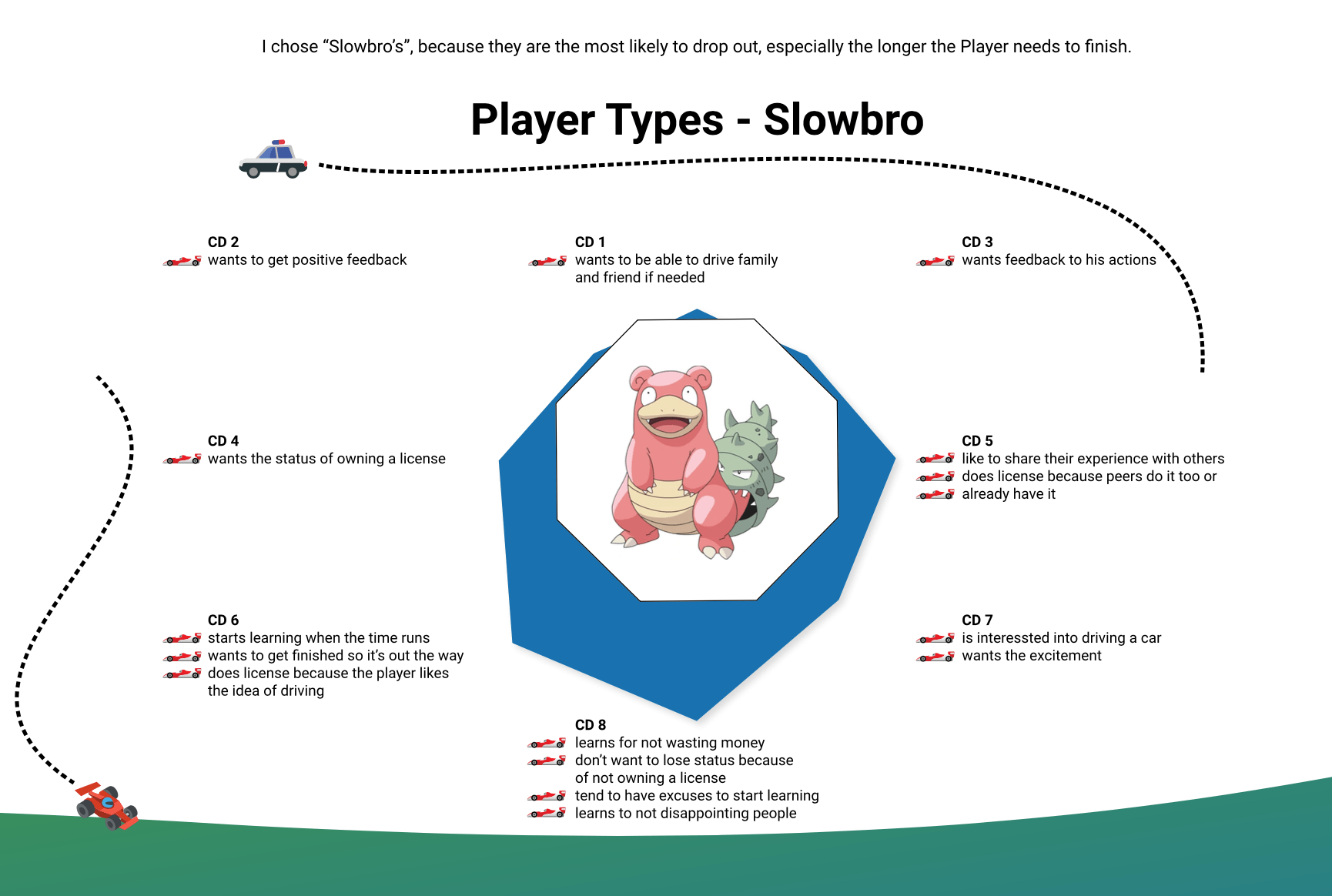

Here we have another great example of how Gamification can be applied to a non-digital experience using the Octalysis Framework.
⚡ Speed Run Notes
- Recognition culture is the silent infrastructure every community needs. Communities without recognition culture feel transactional. Communities with it feel like families. The recognition costs almost nothing to produce and pays back in retention for years.
- The best recognition mentions one specific thing the person did well. Generic praise is forgettable. “Your case study on X was the clearest explanation of Y I've seen” is unforgettable. Specificity signals real attention, and attention is the scarcest form of respect.
- CD5 (Social Influence) recognition compounds only if it's earned, not distributed evenly. When everyone gets recognition, no one feels recognized. Scarcity in praise is what makes praise matter. Uneven recognition is a feature, not a bug, when the distribution is based on real contribution.
- Each certified practitioner becomes a node in a distributed teaching network. They teach colleagues, clients, and local peers. The network grows without central management because each node is motivated to spread what they learned. This is how frameworks outlive their originators.
- The deepest insight: featured practitioners are the social proof that individual stories can be transferable. Readers see “someone like me succeeded with this” and imagine themselves in the story. Without named practitioners, the framework feels abstract. With them, it feels achievable.
Joel found many things that could be improved at his driving learning centre in Germany.
He successfully used that energy to create a submission for the Level 1 Octalysis Certificate!
Joel’s Submission
Especially the Brainstorming is worth taking a look at.
Many of Joel’s ideas build on each other and strengthen each other — a hallmark of Core Drive 2: Development & Accomplishment — which is key for creating a synergetic user experience.
Congratulations, Joel. Well done!
I want to thank Yu-kai Chou for the knowledge you spread through the Octalysis Island. It’s a great honor for me to be able to learn from your content.
Joel Schmidt
Do you want to join a community of learners and bring your knowledge of Human-Focused Design to the next level?
Don’t hesitate to try out Octalysis Prime for free!
About the Creator of the Octalysis Framework

Yu-kai Chou created the Octalysis Framework after studying gamification since 2003 — years before the term entered mainstream vocabulary. As a Human-Systems Architect & Behavioral Designer, his framework has been applied by LEGO, Microsoft, Porsche, Coca-Cola, Salesforce, and MrBeast, impacting over 1.5 Billion Users.
Chou has taught the Octalysis methodology at Harvard, Stanford, Yale, Tesla, Google, BCG, and IDEO.
His work has been cited by Harvard, Stanford, MIT, Forbes, Wall Street Journal, Wired, US Department of Energy, NIST, NSF, NCBI, US Department of Education, ClinicalTrials.gov, and 3,700+ more academic publications. Explore his books here.
Related Reading
- The Octalysis Framework for Gamification & Behavioral Design
- What is Gamification? Definition, Examples & Framework
- Actionable Gamification: Beyond Points, Badges & Leaderboards
- Top 10 Enterprise Gamification Examples
- 90+ Gamification Examples & Cases with ROI Stats
- The $1.06 Billion Octalysis Gamification Case Study