

Author Credibility: Yu-kai Chou

Yu-kai Chou created the Octalysis Framework after studying gamification since 2003 — years before the term entered mainstream vocabulary. As a Human-Systems Architect & Behavioral Designer, his framework has been applied by LEGO, Microsoft, Porsche, Coca-Cola, Salesforce, and MrBeast, impacting over 1.5 Billion Users.
Chou has taught the Octalysis methodology at Harvard, Stanford, Yale, Tesla, Google, BCG, and IDEO.
His work has been cited by Harvard, Stanford, MIT, Forbes, Wall Street Journal, Wired, US Department of Energy, NIST, NSF, NCBI, US Department of Education, ClinicalTrials.gov, and Google Scholar — with 3,700+ more academic publications. Explore his books here.

Related Reading
- The Octalysis Framework for Gamification & Behavioral Design
- What is Gamification? Definition, Examples & Framework
- Actionable Gamification: Beyond Points, Badges & Leaderboards
- Top 10 Enterprise Gamification Examples
- 90+ Gamification Examples & Cases with ROI Stats
- The $1.06 Billion Octalysis Gamification Case Study
Cyber Security is increasingly important. Unfortunately, for many, the training to keep up-to-date with cyber security best practices is not engaging.
⚡ Speed Run Notes
- Each new practitioner is a vote of confidence that the framework is worth investing in for decades. Certifications take real effort. People don't undertake them for fashionable frameworks. Each new certified practitioner is evidence that the framework has outlived the hype cycle and entered its durable phase.
- The best practitioners become teachers within 2 years of certification. Absorbing knowledge is fast. Producing it takes longer. The arc from student to teacher is the natural progression, and communities that encourage it create self-reinforcing loops of expertise.
- CD2 (Accomplishment) in the certification path has to be calibrated — too easy and it means nothing, too hard and people quit. The sweet spot is “demanding but fair.” Practitioners should feel proud of having earned it, not relieved to have survived it.
- A certification is a public commitment to ongoing practice. Once your name is on the wall, you can't quietly abandon the framework. The social commitment keeps practitioners practicing long after they'd have drifted away from an uncertified interest.
- The deepest insight: certifications only work if the issuing body treats certification as the start of the relationship. Certifications that end the relationship are just receipts. Certifications that begin one are alliances. The difference shows up in what alumni produce a decade later.
If it is up to Dustin, that is about to change!
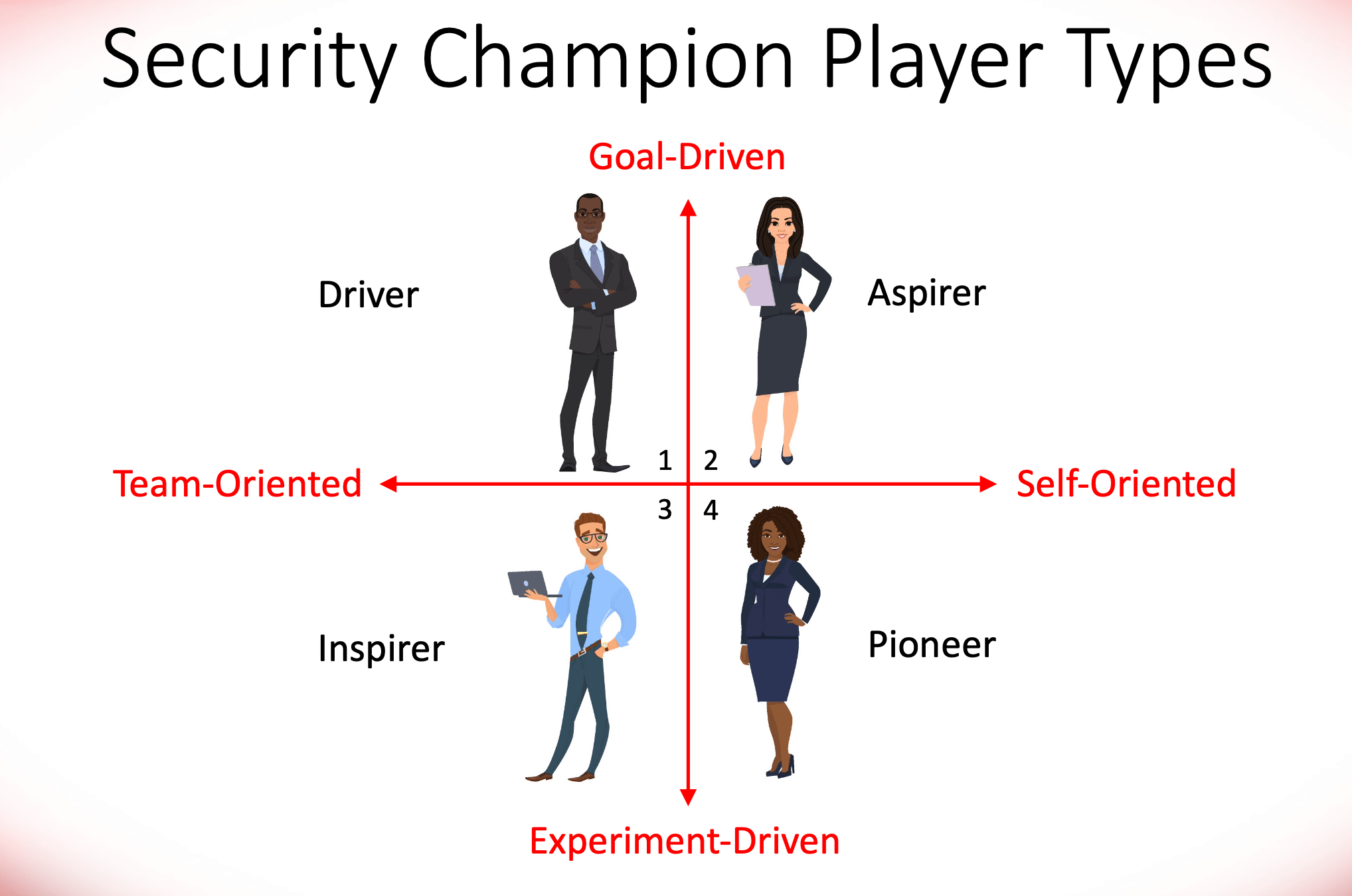
Make sure to check out Dustin’s Player Type analysis.
Congratulations, Dustin. Well done!
Awesome! Thanks @Dirk and @Sergio for taking the time to go over my resubmission. Your feedback is very insightful and I learned a lot by going through it.
I’ll continue to work on improving my Octalysis skills!
Dustin Lehr
Do you want to join a community of learners and bring your knowledge of Human-Focused Design to the next level?
Don’t hesitate to try out Octalysis Prime for free!
About the Creator of the Octalysis Framework
Yu-kai Chou created the Octalysis Framework after studying gamification since 2003 — years before the term entered mainstream vocabulary. As a Human-Systems Architect & Behavioral Designer, his framework has been applied by LEGO, Microsoft, Porsche, Coca-Cola, Salesforce, and MrBeast, impacting over 1.5 Billion Users.
Chou has taught the Octalysis methodology at Harvard, Stanford, Yale, Tesla, Google, BCG, and IDEO.
His work has been cited by Harvard, Stanford, MIT, Forbes, Wall Street Journal, Wired, US Department of Energy, NIST, NSF, NCBI, US Department of Education, ClinicalTrials.gov, and 3,700+ more academic publications. Explore his books here.