
![[Octalysis Guest Post] The Alchemy of Ingress](https://yukaichou.com/wp-content/uploads/2026/05/ftierA-6599-octalysis-guest-post-the-featured-v8.png)

“Ingress is an acceptable lifestyle choice” – @Hosette, R1
⚡ Speed Run Notes
- Ingress is the most important game most non-players have never played. It was the prototype that proved location-based behavioral design could support real-world habit formation. Without Ingress, there is no Pokemon Go, no geocaching revival, no modern AR boom. It was the lab experiment that became an industry.
- The real alchemy of Ingress was CD1 (Epic Meaning) and CD5 (Social Influence) riding on top of physical geography. The factions gave players a team. The portals gave them a reason to walk past the same landmark twice. Most mobile games have to generate meaning inside a screen; Ingress borrowed meaning from the city itself.
- Location-based games are CD6 (Scarcity) by default because space is scarce. A portal at a specific intersection can only be owned by one faction at a time. That constraint generates drama without any designer intervention. The map is the content; the content is the map. few game categories get that coupling for free.
- The hardcore Ingress players wrote the design patterns Niantic would later commercialize. Community raids, real-world meetups, coordinated strikes — all of these emerged from players, not designers. Niantic's genius was watching what the community invented and graduating it into official features. That pattern (player-first, designer-second) is rare and exportable.
- The deepest takeaway: location-based games proved physical presence is a Core Drive amplifier. Any mechanic feels stronger when you had to be there. Showing up in person multiplies the felt reward of any action compared to doing the same action on a couch. That is a design principle that applies far beyond games — it is a blueprint for physical retail, events, and civic engagement too.
Table of Contents
- How Ingress uses gamification and the 8 Core Drives of Octalysis to engage users
- Ingress uses all Eight Core Drives in the Octalysis Framework
- Core Drive 1: Epic Meaning & Calling
- Core Drive 2: Development & Accomplishment
- Core Drive 3: Empowerment of Creativity & Feedback
- Core Drive 4: Ownership & Possession
- Core Drive 5: Social Influence & Relatedness
- Core Drive 6: Scarcity & Impatience
- Core Drive 7: Unpredictability & Curiosity
- Core Drive 8: Loss & Avoidance
- Are you seeing how engaging this is?
- What things have I learned from Ingress?
- How am I putting what I have learned into practice?
- The Goal is Transformation
About the Creator of the Octalysis Framework

Yu-kai Chou created the Octalysis Framework after studying gamification since 2003 — years before the term entered mainstream vocabulary. As a Human-Systems Architect & Behavioral Designer, his framework has been applied by LEGO, Microsoft, Porsche, Coca-Cola, Salesforce, and MrBeast, impacting over 1.5 Billion Users.
Chou has taught the Octalysis methodology at Harvard, Stanford, Yale, Tesla, Google, BCG, and IDEO.
His work has been cited by Harvard, Stanford, MIT, Forbes, Wall Street Journal, Wired, US Department of Energy, NIST, NSF, NCBI, US Department of Education, ClinicalTrials.gov, and 3,700+ more academic publications. Explore his books here.
How Ingress uses gamification and the 8 Core Drives of Octalysis to engage users
(Below is a guest post by Anne Miles. Email yukai[at]yukaichou[dot]com if you have would like to guest post about gamification/Octalysis/Behavioral Design)
For the past three years I’ve been immersed in a global gaming subculture that thrives around the augmented reality game, Ingress. Then I read Yukai’s book and was immediately struck by the Core Drives and how applicable they are to problem-solving in general.
As a User Experience professional, I’ve taken a lot from what I have learned playing the game. My clients and colleagues are always surprised when I say that. They see games as merely entertainment. (One in particular can’t finish a sentence without saying “Roll Tide,” yet he isn’t connecting how games can impact people. Seriously.)
What I know, and what many Ingress players know, is that while games can indeed serve as nothing but escapism or entertainment, they also have the potential to be a shortcut to personal and professional growth. They inspire, motivate, teach and yes, turn into obsessions.
I’d like to share with you what I’ve learned about that through the game Ingress in Octalysis parlance. You can read more about Octalysis here. Then I’d like to explain how I’m using what I’ve learned in my own business. To do that, let me set the scene. You need to understand how Ingress works to understand how the Core Drives apply.

You can download an app on your Android or iOS phone that lets you track places in the world that have XM, or exotic matter, bubbling through them. These places all have certain things in common. There are breathtaking public sculptures or murals, important historic sites, natural wonders.
There are places of worship or places of extraordinary human service or achievement, as well as examples of unique architecture. At each of these types of places you will find these fountains of XM. You can see the XM through your app. The fountains are called portals.
You have to get up and walk to these places to interact with them. You have to move and travel in the real world, with your phone.
A common joke is that a new player will ask “How do I walk?” You walk. You have to get within 40 meters.
A new person who stumbles across these portals might be led to search for more information about XM and will find videos made by investigators.
The XM investigators have discovered that there are Others, called Shapers, that seem to be influencing humans through the XM. You will see debates about whether or not XM affects us and whether it was the XM that caused the humans to create or achieve, or if the humans did it on their own. You’ll see that there are two factions.
There are those who embrace the Shapers (the Enlightened) and those who would rather not have their minds affected, thank you much (the Resistance). When you download your XM scanner, you must choose a side. Then you have the ability to capture portals and make them resonate with the color of your faction, green or blue.
Green Enlightened resonators allow the Shaper influence to flow unhindered. Blue Resistance resonators create a blocking and protective resonance for that portal.
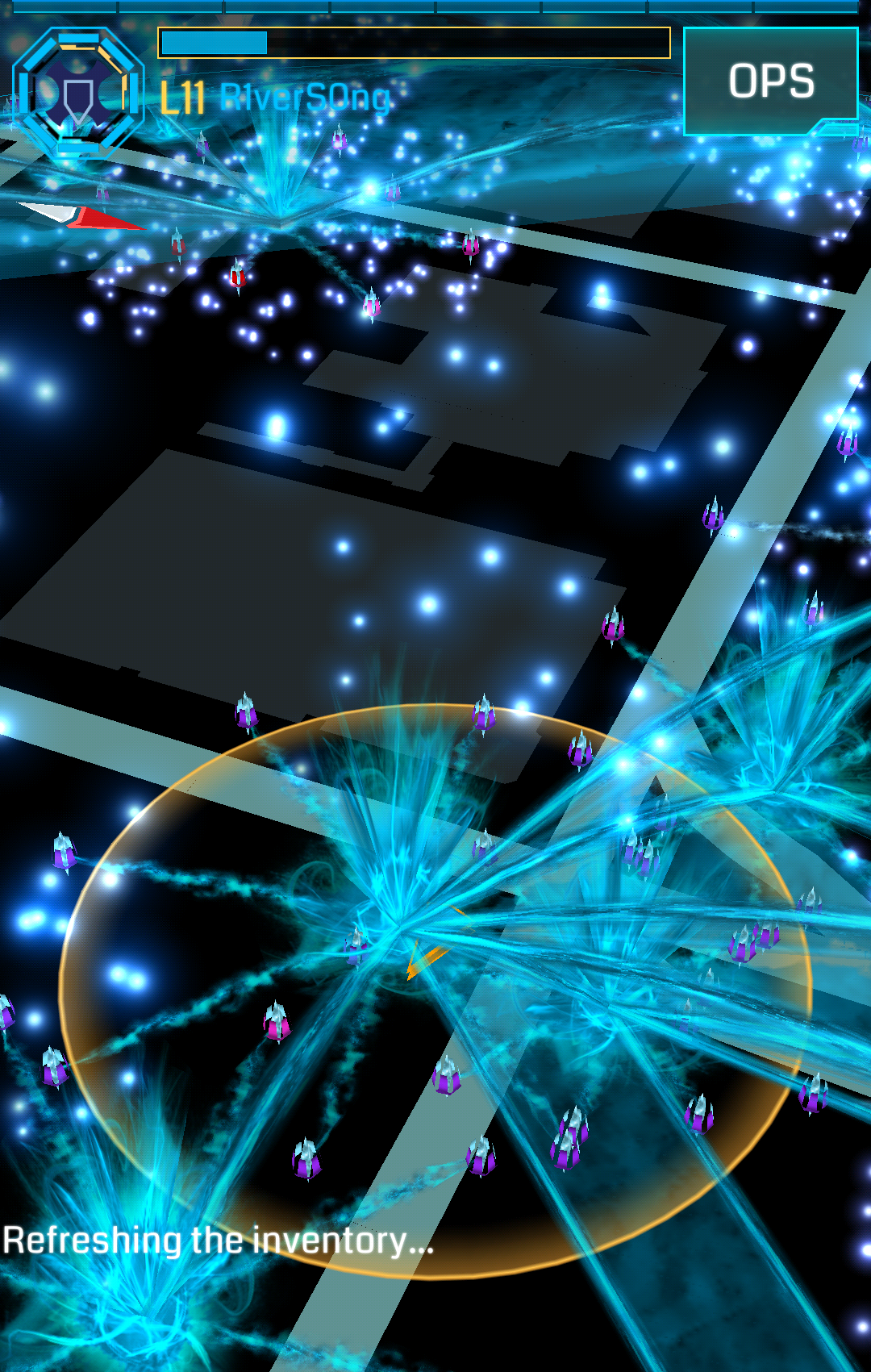
The more players deploy a high level resonator on the portal, the more Mind Control Fields that require large cooperative efforts can be made. You get resonators and bursters by hacking the portal through the scanner.
Bursters allow you to knock all the opposing resonators off the portal and claim it for your faction. Players meet together in person regularly and must cooperate in order to achieve. The side with the most mind influence (measured in mind units or MU) is winning.
The game runs 24 hours a day, 7 days a week, globally. It never stops. There have been over 10 million downloads. In my city we usually have around 600 players active in a given week.
In the officially organized events and global operations, I have known players to literally climb mountains, rent boats and helicopters. They fly airplanes and travel hundreds of miles through deserts or ice to reach a portal.
One group rented a helicopter and flew over a volcano. Timing can be critical and the strategies employed can be ruthless.
This game can challenge all you have mentally, physically and socially. I’ve seen thousands of people on the streets of a city and known players who travel around the USA, Europe, China, Japan, Australia, parts of Africa, India and Asia for these events.
One operation covered the North Pole. Players have to travel within reach of the portals needed to succeed (40 meters). There are portals in Antarctica. Someone had to go there to get those built and get portal keys. Team cooperation is global.
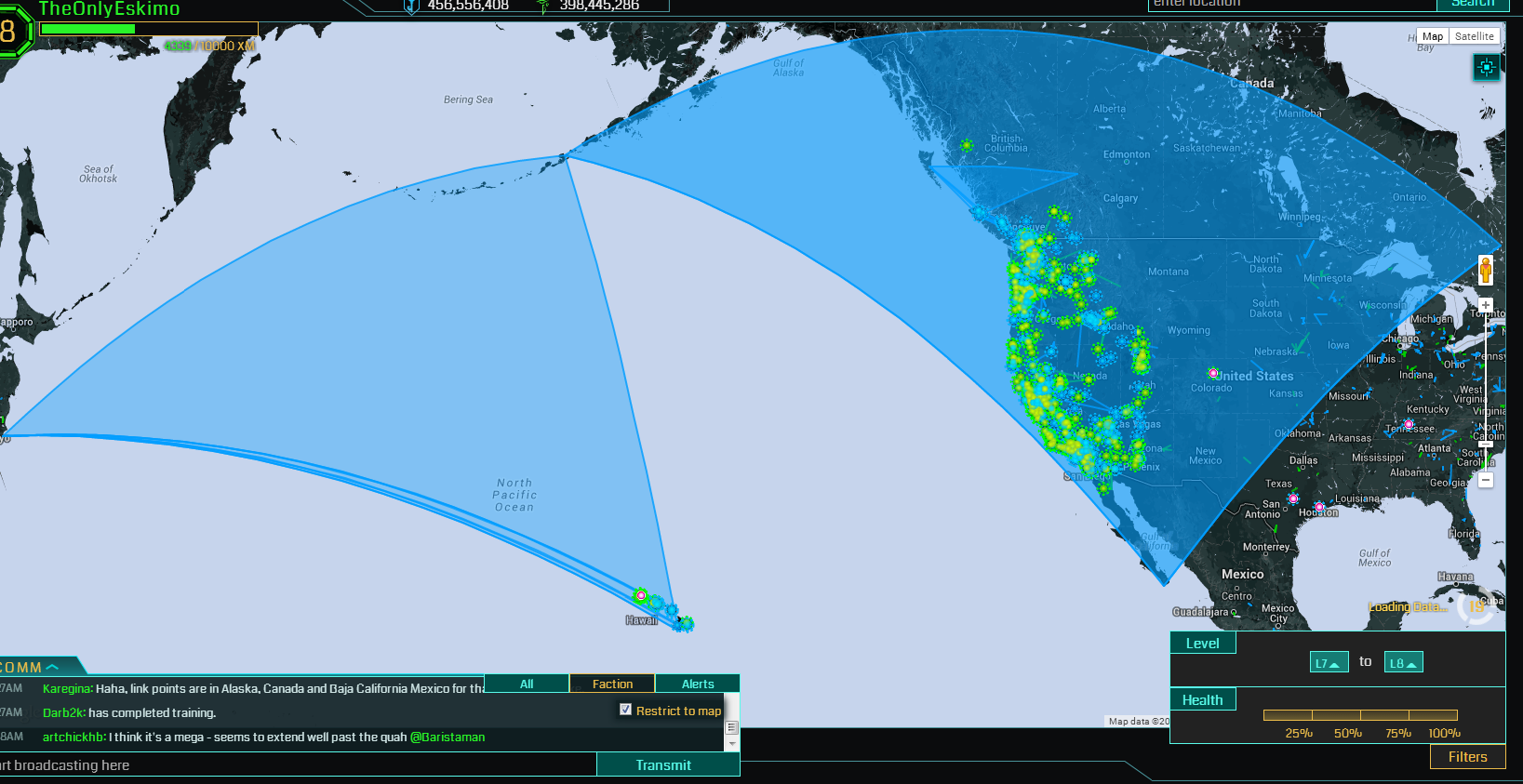


Are you understanding yet how motivated Ingress players are? This game can become much more than a game. Alchemy is the transformation of something common into something special. For many, that is exactly what Ingress does.
Why?
Ingress uses all Eight Core Drives in the Octalysis Framework
Before we break down each Core Drive, here is the full Octalysis Framework — the eight Core Drives of human motivation that Ingress activates, with the Game Techniques that power each one.

Core Drive 1: Epic Meaning & Calling

Both factions in Ingress believe what they are doing will save the planet. It’s quite a rush to liberate your city, state or country from the enemy.
For the Resistance this means saving the planet from the mind control of alien Shapers and championing humans.
For the Enlightened, this means fighting for the growth of our species and protecting humans from AI that is out of control.
Core Drive 2: Development & Accomplishment
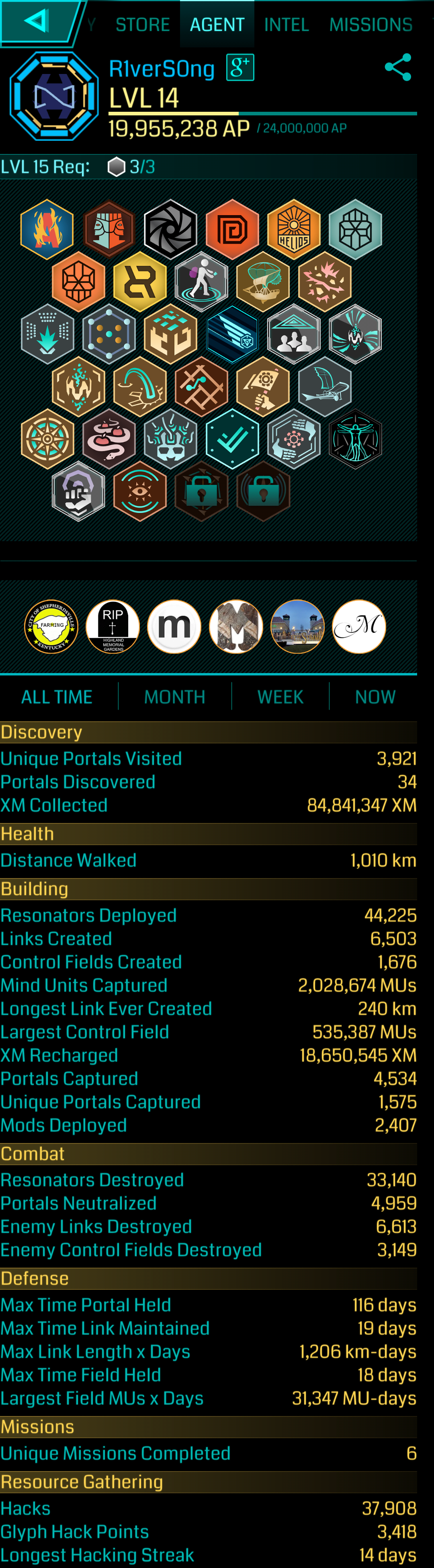
Players can level and earn badges as they gain skill and accomplish more in the game. A badge can be earned for miles walked, encouraging exercise.
Badges are also earned for participating in events and for daily play. There are many style of play. One person might focus on exploring while another focuses on building. Some love to field, others love to destroy.
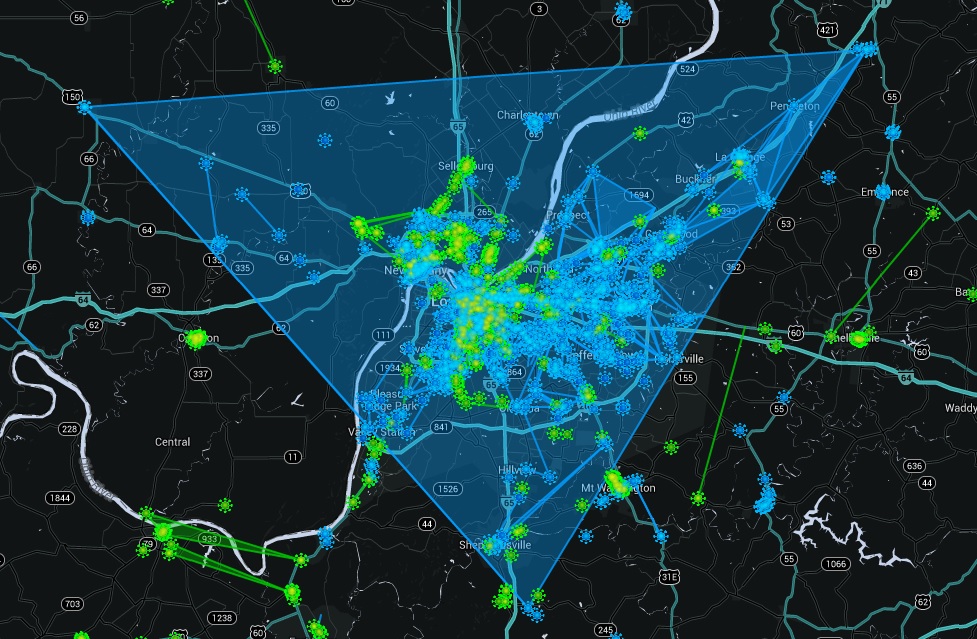
A link between two portals can be made if you have a key to the portal you are trying to link to and there are no links from the opposing faction in the way. If you form a triangle, this creates your Mind Control Field.
Fielding your city, region or country can cause you to earn a lot of notoriety in addition to gaining a badge.
Core Drive 3: Empowerment of Creativity & Feedback
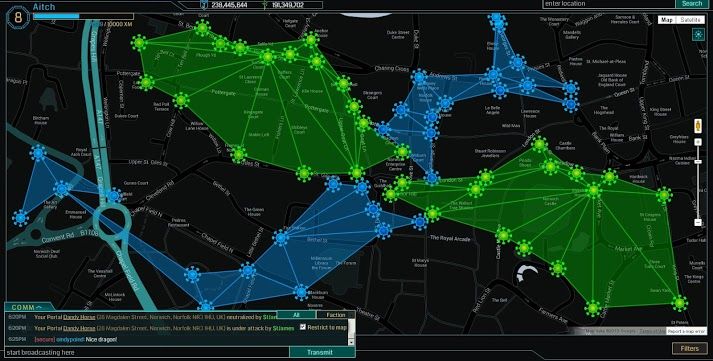
Players can cooperate to build control fields that can be artwork (see above) and create exploration missions with mission badges that form banners.
In addition there is a healthy and thriving Ingress design community in both factions. There are also Ingress development groups that create specialized tools for the game.
Core Drive 4: Ownership & Possession
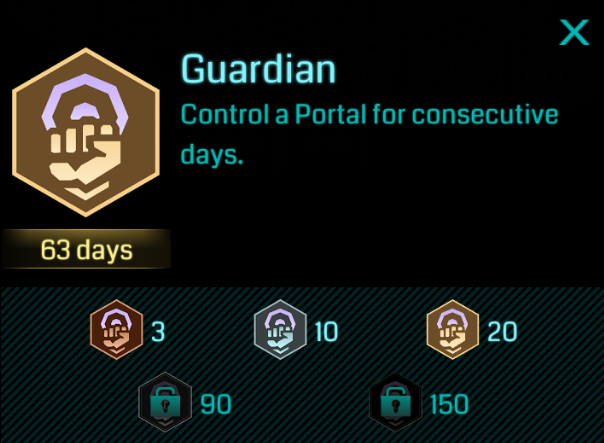
Players can discover new portals and also can capture and “own” portals. If they hold onto a portal for a length of time it becomes their Guardian Portal. Guardian hunting is a core part of the game for many, though officially frowned upon.
The ultimate slap in the face to a nemesis in Ingress is to kill their Guardian. The ultimate badge for this is a black Guardian badge. Often the portal will be killed at 149 days.
Core Drive 5: Social Influence & Relatedness
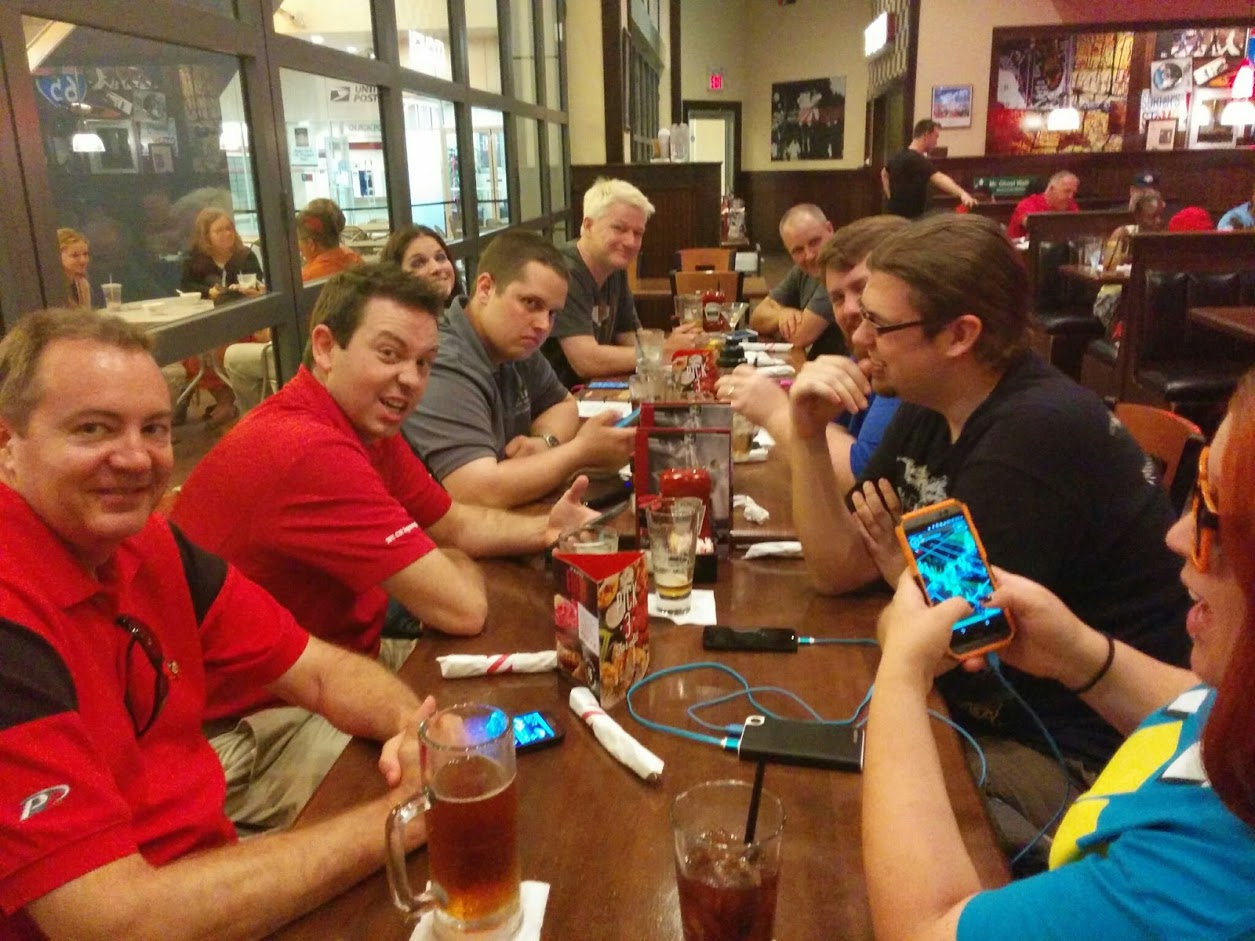
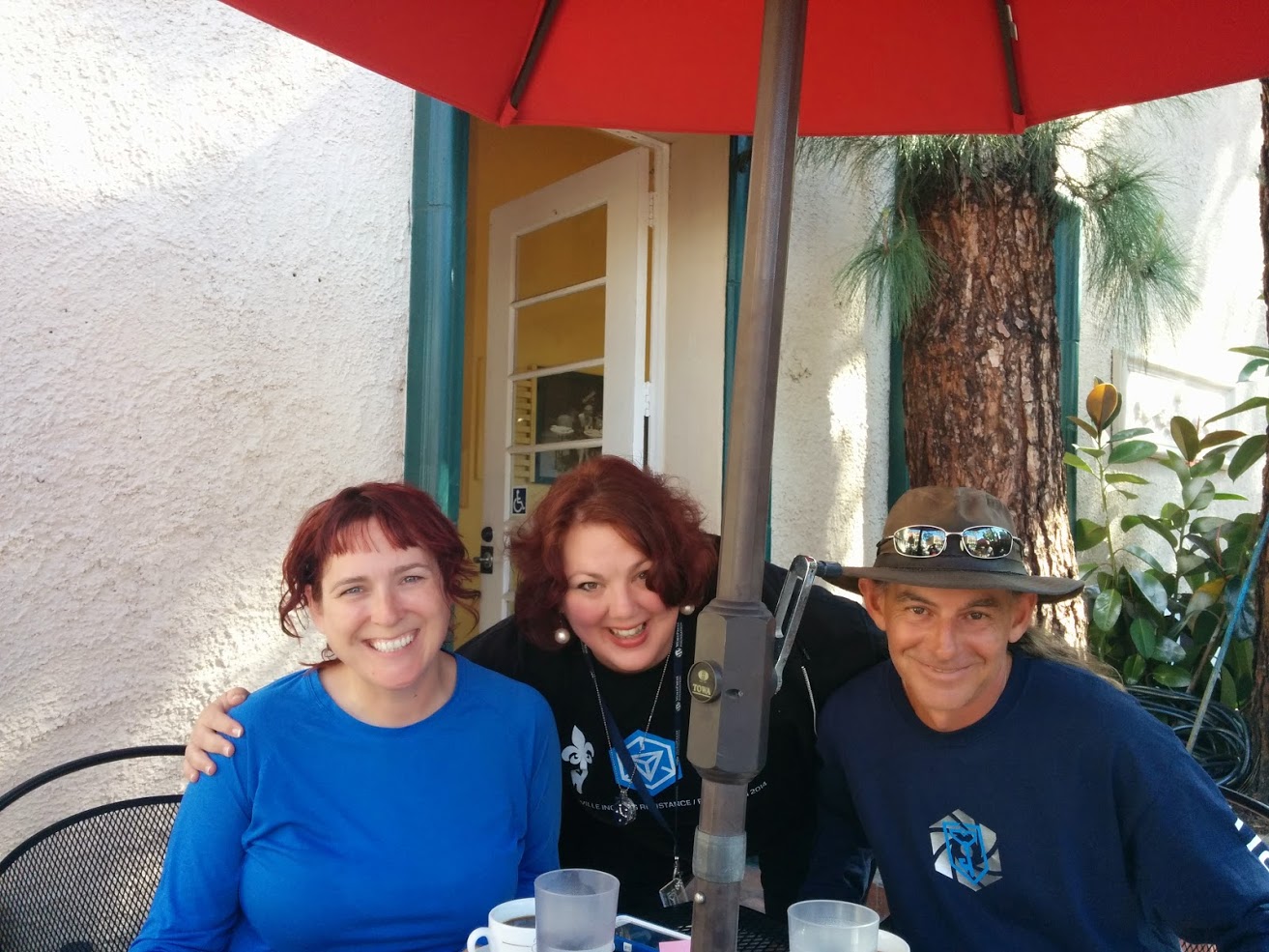
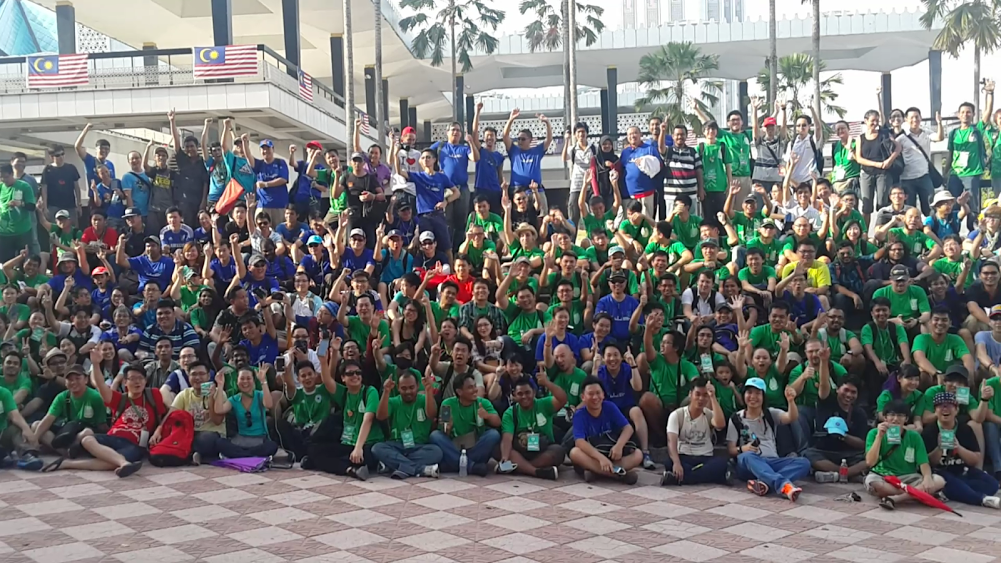
Players can earn renown locally, regionally, nationally and globally through the active faction and cross-faction Ingress communities and events. Communities and support for others within Ingress is beautiful.
Friendships rival those made on sports teams, and the factions breed close relationships in real life. There have been many marriages that have come through Ingress.
People meet face to face and play in the real world. This is what makes Ingress different from other video games.
Core Drive 6: Scarcity & Impatience
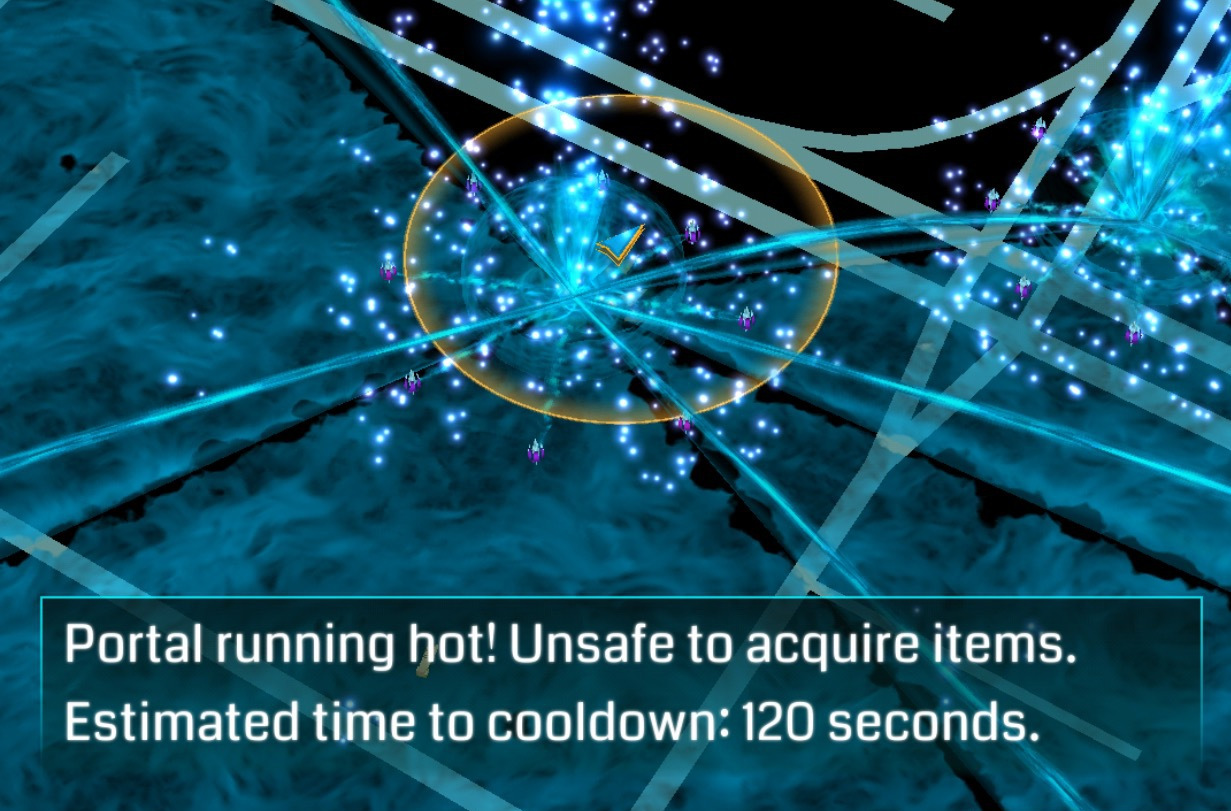
Players have to wait for a portal to cool down before they can hack it again. There are limits to how often a portal can be hacked within a time period. There is a finite inventory level. Your inventory is a true currency in a sense and Ingress forces you to manage your time and resources or you lose.
Core Drive 7: Unpredictability & Curiosity
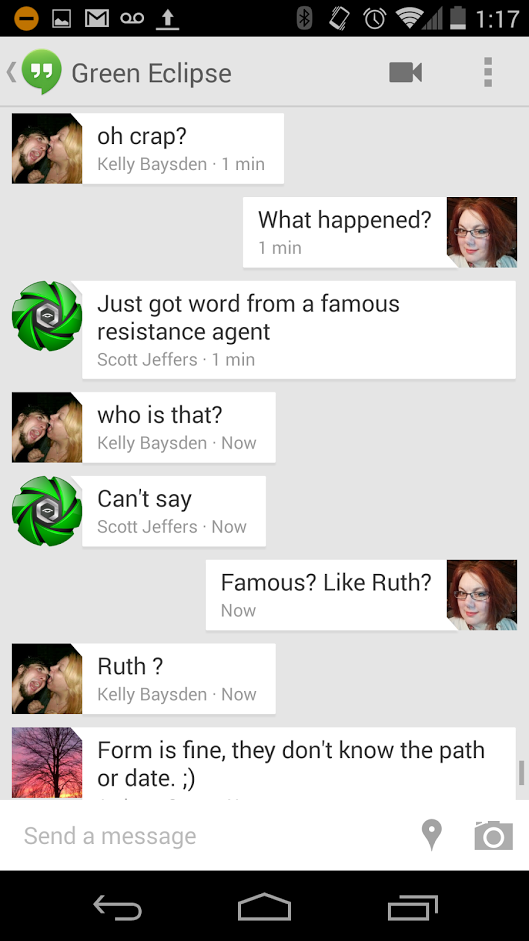
You never know what the other faction might do or when you might have to block an opposing operation. Some agents might be moles for the other side, infiltrating your player communities and hangouts. You have to be careful about who you trust.
For that matter you never know what twist Niantic might throw in to their official event rules. The unpredictability of Niantic Labs, the game authors, in particular is known globally across the world of Ingress as “Calvinball.”

You also never know what sort of place you will find when you visit a new portal. The aspect of discovering beauty in the real world while traveling and playing a game is wondrous.
I’ve explored over 3000 portals and am still counting. I know people who travel the world to see unique portals. It’s a fascinating thing to do when you’re traveling. There are hiking portals, kayak-only portals and portals you nearly have to fly over.
Core Drive 8: Loss & Avoidance

The possibility of having your Guardian portal killed might keep you from playing or cause you to not play as you normally would. There are other examples of this core drive in the game, but this is an easy-to-see example.
Are you seeing how engaging this is?
I don’t know of another game that is as immersive in real life and affects the entire person like Ingress does. It changes where you eat (you have to choose a restaurant with portals) and how you drive (your route to work changes.) It changes your exercise habits.
It offers the chance to discover new people and places, changing your social life, and offers an exciting overlay on top of what can be a humdrum errand.

It gives you the opportunity to overcome conflicts with people from both factions and practice project management on a large scale. You learn as much about politics playing Ingress as you do about portals. At the global level, you are exposed to other cultures. It literally expands your world.
Gamification isn’t about Games. Gamification is about humans. It’s about understanding why people care and behave the way they do and building components into your systems that are fueled by these core drives to help you achieve your goals. I liken that to alchemy. It’s the understanding and application of these motivations that makes the magic.
Playing Ingress is an excellent opportunity to learn more about these core drives so you can practice them. People who don’t play video games play Ingress. We told the creators of Ingress that they had made a sport with a cell phone. That’s true.
What things have I learned from Ingress?
I learned more about who I was by being forced to participate in the context of a larger community. I learned a lot by working with teams in other cultures. Zagreb, Croatia and Perth Australia are different.
In this day and age, freelancing can be lonely and churches can be distant. Having a community locally and globally to plug into and swim in taught me much about myself, both about my own strengths and my weaknesses.
I learned more about people by watching them play than I ever could through conversation. In game play there is honesty. You can’t deceive others about who you are, your actions speak.
The applications for this to the business world were immense. I’ve learned to watch what people do. I’ve learned to be a lot more wise in my dealings with others.
The game taught me how to win and how to lose. It taught me to keep going in the face of adversity, it taught me how to listen and the value of hearing.
It taught me how not to work with others. It taught me the value of trust and of truth. I had to learn to implement motivational techniques to achieve team objectives. I had to learn how to admit I was wrong and how to make amends. I have never examined motivations more, either those of myself or my colleagues.
Ingress gave me an understanding of how these Core Drives work and how key they are in solving problems, not only the problems that exist in a game world, but the problems that exist in my real world. I got to practice planning and learn from my mistakes in an arena where what was at stake wasn’t my livelihood.
I learned how to work and communicate better with my husband because of Ingress. Before we started to play Ingress together my husband had joined me in my business full time.
Going from working solo to being with your spouse 24/7 isn’t a simple feat. Ingress gave us an outlet, a shared community and other goals besides work goals on which to practice working together. It definitely strengthened our relationship.
Most of all, Ingress gave me confidence to move forward in my professional life. After successfully working with teams in over 85 countries and achieving billions of MU for the Resistance, I realize that the only thing stopping me in my business and real life, is me.
I’m not afraid now to hire, to grow. I know I have the tools and skills I need to move forward in my next steps, I just have to keep moving forward.
I was invited to Google in March of 2015 to meet the engineers and leaders of Niantic Labs, who were then still at Google Venice. I ended up talking to the Community Manager for 5 hours.
One of the things we discussed was the use cases for Ingress, real world applications for the game engine. He said that he could see churches and businesses being able to use it for team building or growth, and I understood why immediately.
How am I putting what I have learned into practice?
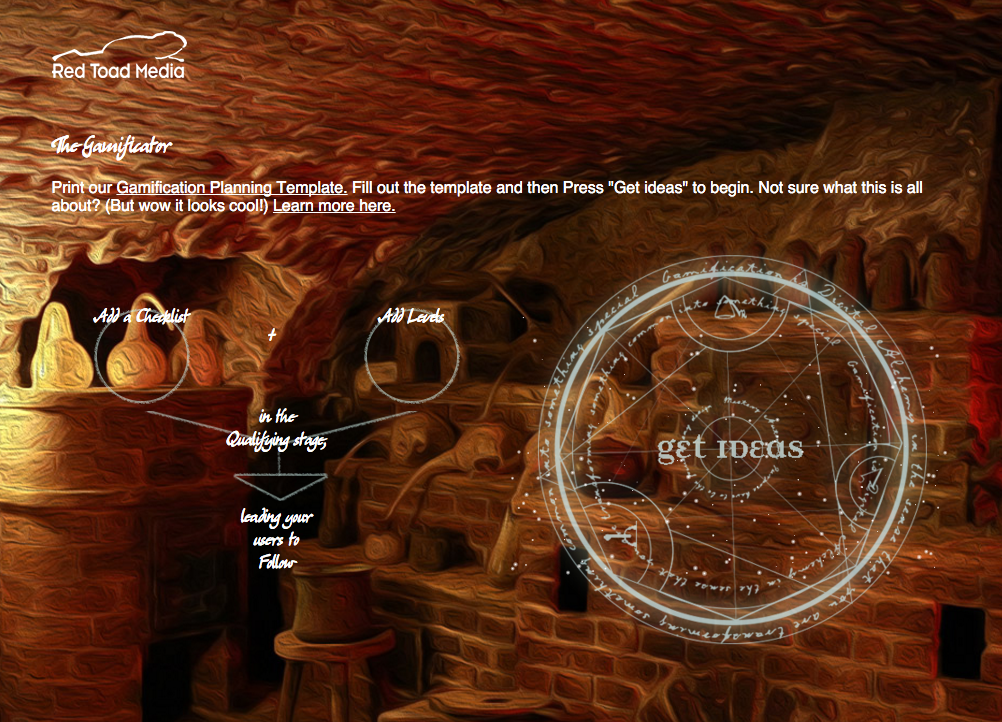
We are no longer immersed in Ingress. We are working instead to give wings to the dreams of others using what we have learned. We are building a system to help people grow their businesses online by gamifying digital and content marketing using an amazingly flexible content management framework called MODX.
We’re applying gamification to social media marketing and to recruiting campaigns, among other things. After building web sites for others for 15 years, we found that many small-to-medium businesses didn’t update their web site content or use their tools properly.
Now we are building a system to help inspire businesses to actually use their tools and grow their reach, lowering their cost of customer acquisition.
We’re coaching on the use of gamification in hiring, training and recruiting practices. Because of what we have learned through Ingress and Octalysis, we understand how to design a system that uses Core Drives to motivate.
We also understand how important it is for our own company to adhere to an Epic Meaning and Calling. We are practicing new ways to apply the Core Drives in our own business processes. We hope to be able to combat burnout, discouragement and failure, not only for ourselves, but for those we work with.
The Goal is Transformation
At its core, gamification, or gameful design, is the opportunity to transform something ordinary into something special. That is what Octalysis, understanding and applying its principles, offers you.
You might never be interested in playing a game like Ingress, but if you understand the impact of applying all the core drives, you can change your corner of the world. Become an agent of change. It’s time to move.
Anne Miles is the owner and Toad-in-Chief at Red Toad Media. She has been a speaker at WordCamp, and the IRCE Digital Design Conference (Internet Retailer Magazine). She is a member of the IXDA (Interaction Design Association) and is an avid gamer. Follow her on Twitter @redtoadmedia. You can find her in Ingress as R1verS0ng.
Related Reading
- The Octalysis Framework for Gamification & Behavioral Design
- What is Gamification? Definition, Examples & Framework
- Actionable Gamification: Beyond Points, Badges & Leaderboards
- 90+ Gamification Examples & Cases with ROI Stats
- Game Design Technique: Collection Sets
- The $1.06 Billion Octalysis Gamification Case Study