

Everyone tells you to “follow your passion” or “find your purpose.” But nobody explains what actually happens chemically in your brain when you do — or don’t.
I’ve spent over 20 years studying why humans do what they do. And somewhere along the way, I realized that the thousands of behavioral patterns I was analyzing traced back to three tiny molecules: dopamine, serotonin, and oxytocin.
Not in the shallow “dopamine is the happy chemical” way you see on Instagram reels. In a way that explains why some people end up fulfilled and others end up bitter and stuck, even when they started with similar advantages.
I call it the Four Life Outcomes framework. And once you see it, you can’t unsee it.
⚡ Speed Run Notes
- Dopamine is the chase chemical — it makes you pursue things, but it doesn’t care what you pursue or whether you succeed.
- Serotonin is the status chemical — it comes from earning respect and recognition. Jordan Peterson’s lobster research shows even crustaceans run on serotonin hierarchies.
- Oxytocin is the connection chemical — it comes from love, appreciation, and belonging. It’s non-zero-sum: everyone can have it simultaneously.
- Four Life Outcomes: Productive Achievers (dopamine → serotonin ✅), Happy Connectors (dopamine → oxytocin ✅), Productive Losers (dopamine → serotonin ❌ → more dopamine), Sore Losers (dopamine → serotonin ❌ → stuck).
- Only one outcome is truly bad — the Sore Loser path, where you can’t get status, won’t pursue connection, and stop generating productive effort.
- The Octalysis connection: White Hat Core Drives (1, 2, 3) map to serotonin; Core Drive 5 maps to oxytocin; Black Hat Core Drives (6, 7, 8) map to dopamine urgency.
Table of Contents
- The Three Currencies Your Brain Trades In
- The Four Life Outcomes
- Outcome 1: Productive Achievers
- Outcome 2: Happy Connectors
- Outcome 3: Productive Losers
- Outcome 4: Sore Losers (The Only Bad One)
- The Chemical Logic Behind It All
- How This Maps to the 8 Core Drives
- So What Should You Actually Do?
- Frequently Asked Questions
- The Bottom Line
About the Creator of the Octalysis Framework

Yu-kai Chou created the Octalysis Framework after studying gamification since 2003 — years before the term entered mainstream vocabulary. As a Human-Systems Architect & Behavioral Designer, his framework has been applied by LEGO, Microsoft, Porsche, Coca-Cola, Salesforce, and MrBeast, impacting over 1.5 Billion Users.
Chou has taught the Octalysis methodology at Harvard, Stanford, Yale, Tesla, Google, BCG, and IDEO.
His work has been cited by Harvard, Stanford, MIT, Forbes, Wall Street Journal, Wired, US Department of Energy, NIST, NSF, NCBI, US Department of Education, ClinicalTrials.gov, and 3,700+ more academic publications. Explore his books here.
The Three Currencies Your Brain Trades In
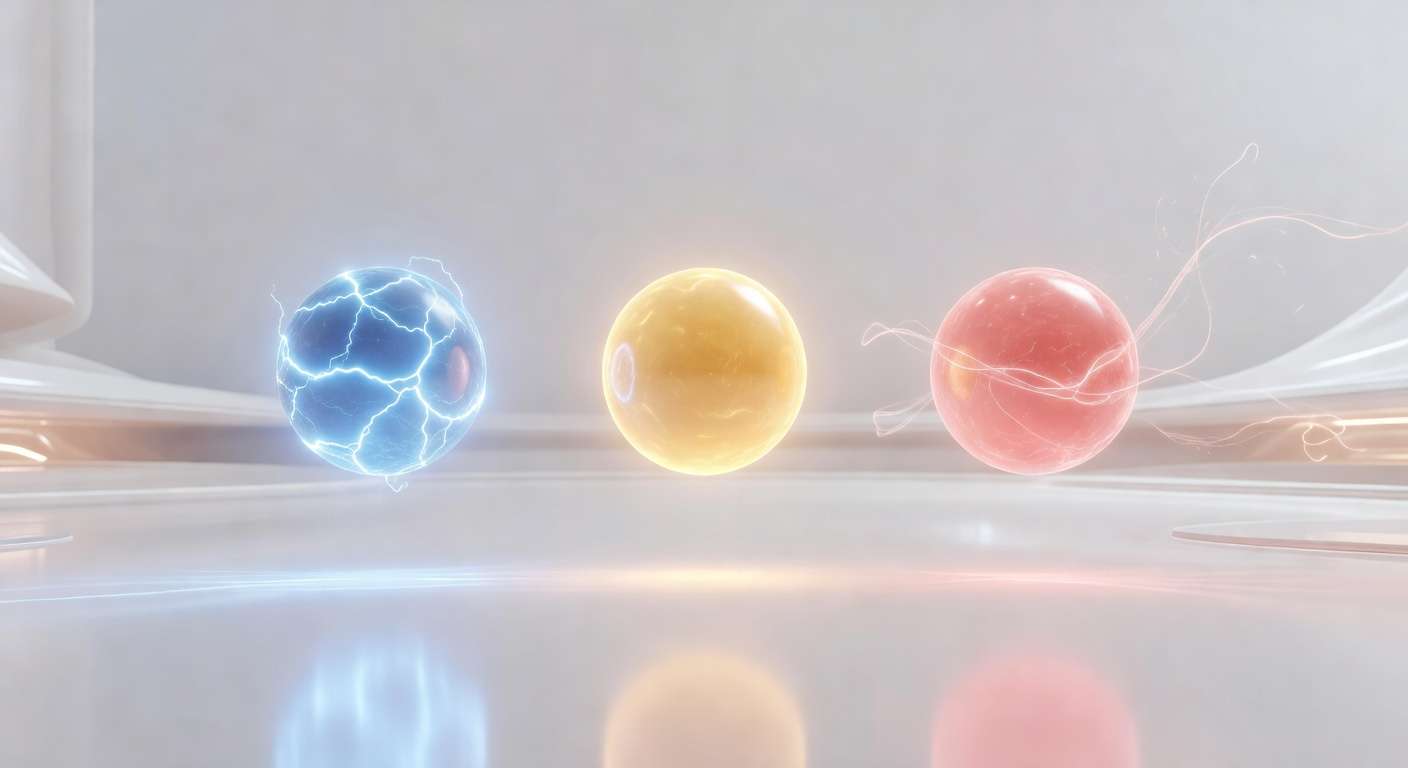
Your brain doesn’t actually deal in “happiness.” That’s way too vague. It deals in specific chemical currencies, and each one buys something different.
Dopamine is the chase chemical. It’s the thing that gets you out of bed. It makes you scroll one more video, play one more round, send one more email at midnight. Dopamine doesn’t care whether what you’re chasing is good for you. It just wants you to chase.
This is the chemical that makes a gamer grind for 14 hours straight in World of Warcraft (yes, I’ve done this). It’s also the chemical that makes someone refresh their stock portfolio every 90 seconds. Dopamine is energy without direction.
Serotonin is the status chemical. Jordan Peterson often uses lobster studies as a metaphor here. The exact cross-species analogy can be overstated, but the useful takeaway is solid: serotonin is closely tied to perceived rank, confidence, and willingness to engage.
Serotonin comes from earning respect, recognition, and standing in a group. When your team wins the championship and people congratulate you, that glow isn’t dopamine. That’s serotonin. And here’s the key difference: serotonin lasts much longer than dopamine. Once you have respected status in a community, it persists. You don’t have to re-earn it every morning.
But serotonin is zero-sum. Status is relative. Not everyone can be at the top. That’s important. Hold onto that.
Oxytocin is the connection chemical. It triggers through real human interaction, touch, appreciation, love, and caring. A friend shows up for you unexpectedly. Your dog goes absolutely ballistic when you walk through the door. Your kid falls asleep on your chest. That’s oxytocin.
And here’s the beautiful thing: oxytocin is non-zero-sum. The more people in a caring group, the more oxytocin there is. Everyone can have it simultaneously. Nobody has to lose for you to win.
The Four Life Outcomes
So here’s the framework. Dopamine is the engine that makes you move. But what you’re moving toward, and whether you get there, determines which of four life outcomes you land in.
Think of it like a video game skill tree. Dopamine is your base stat. It’s what lets you take actions at all. But the actions you take branch into different paths, and each path leads to a very different endgame.

Outcome 1: Productive Achievers (Dopamine → Serotonin ✅)
These are people with high dopamine drive who successfully converted their effort into lasting status and respect. They worked hard, performed well, and the world recognized them for it.
Think of the doctor who spent 12 years in training and now runs a respected practice. The entrepreneur who built something real. The athlete who made the Olympic team. They chased something through dopamine, and it paid off in serotonin.
Elon Musk is an extreme example. Whatever you think of him personally, the man’s dopamine drive is nuclear. And he’s converted it into enormous status. Whether he’s running SpaceX’s Starship program or building Tesla’s self-driving infrastructure, every achievement stacks more serotonin on top of the dopamine that drove him there.
The satisfaction these people feel is lasting and durable. Serotonin isn’t a fleeting hit. When you’re respected in your community for what you’ve built, that recognition persists. You don’t wake up tomorrow wondering if it was all a dream.
Here’s what’s worth noting about this path: it doesn’t require dominance. Mother Teresa had enormous serotonin. So does the Dalai Lama. Their status comes from contribution, not competition. The serotonin pathway is about being respected at a core level, and there are many legitimate ways to earn that.
Outcome 2: Happy Connectors (Dopamine → Oxytocin ✅)
These are people who either have lower dopamine drive or deliberately chose connection over competition. And they’re fulfilled.
You know the deathbed studies? Bronnie Ware, an Australian palliative care nurse, spent years recording the top regrets of the dying. The number one regret wasn’t “I wish I’d worked harder” or “I wish I’d made more money.”
It was “I wish I’d had the courage to live a life true to myself.” And among the other top five: “I wish I had stayed in touch with my friends” and “I wish I had let myself be happier.”
That’s oxytocin talking.
The Happy Connector is your neighbor who coaches little league, has dinner with friends every Friday, and never misses a family birthday. They might not have a Wikipedia page. But they have something most Productive Achievers secretly envy: they feel loved, and they know it.
Here’s the thing about dogs that most people don’t think about deeply enough. Dogs provide unconditional oxytocin regardless of your status. The dog doesn’t care if you got fired today. It has no idea your net worth went down 40%. All it wants is to be near you. That’s pure, unfiltered oxytocin. Many pet owners describe their animals as real emotional stabilizers, and it is not just because walking is good exercise.
It’s because someone loves them every single day regardless of their achievements.
Outcome 3: Productive Losers (Dopamine → Serotonin ❌ → More Dopamine)
Before you react to the name, hear me out. “Loser” here isn’t an insult. It just means they haven’t won yet.
These are people who tried for serotonin, didn’t get it, but kept going. They’re still in the arena. Still striving. Still generating dopamine and pointing it somewhere.
This is the startup founder who’s on their third company after two failures. The aspiring author with 12 rejection letters. The actor working tables in LA while auditioning three times a week.
In gaming terms, these are the players who wiped on the raid boss 30 times and queued up for attempt number 31. If you’ve ever played any challenging game, you know this feeling. You didn’t beat it yet, but you’re not walking away either.
And that matters, because a huge number of Productive Losers eventually become Productive Achievers. J.K. Rowling lived in that phase for years. Colonel Sanders did too, after a long run of rejections before KFC scaled nationally. So did I, frankly, when I started working on gamification in 2003 and nobody knew what the word meant.
The defining feature of this group: they still have forward momentum. Their story isn’t over. The dopamine engine is still running, still pointed at a target. That’s not a bad place to be.
Outcome 4: Sore Losers (The Only Bad One)
This is the only outcome worth worrying about. Not because these people failed. Failure happens to everyone. It’s what they do after failing that creates the problem.
Sore Losers tried for serotonin (status, respect, recognition) and didn’t get it. So far, same as Productive Losers. But here’s where the paths diverge.
Productive Losers either kept trying or pivoted to oxytocin (connection, love, community). Sore Losers did neither. They stopped generating productive dopamine. They won’t restart the climb. And they refuse to redirect toward connection.
So what’s left? Bitterness. Complaining. Feeling victimized. Hating everyone who succeeded.
You see this in online communities all the time. The person who rage-quit a competitive game but hangs around the subreddit trashing everyone still playing. The ex-employee who got passed over for promotion and now spends their energy on Glassdoor reviews instead of building skills or building relationships.
In the modern era, social media has created an entire infrastructure for Sore Losers to find each other. Algorithms reward outrage. Negative content gets engagement. You can build an entire identity around resentment and find thousands of people who validate it.
Here’s the tragic part: Sore Losers often have real grievances. The system really is unfair sometimes. They really were treated badly. But being right about the unfairness doesn’t change the chemistry. They still have no serotonin (status), no oxytocin (connection), and no productive dopamine (forward motion). Being right about why you’re miserable is still being miserable.
They only like people who are hating everyone alongside them. And that’s a shrinking, darkening world.
The Chemical Logic Behind It All
Let me explain why this framework isn’t just a cute metaphor. There’s actual biochemistry underneath it.
Dopamine provides excitement — a short burst of “yes, I want that.” It’s the hit you get from leveling up in a game, seeing a notification on your phone, or watching a stock tick upward. Fast, intense, gone quickly. You need another hit.
Serotonin provides satisfaction — a deeper, longer-lasting state. Think of the difference between the excitement of winning a tournament match and the quiet satisfaction of looking at a trophy you earned last year. The match is dopamine. The trophy on your shelf? Serotonin. Still there. Still warm.
Oxytocin provides fulfillment — the deepest of the three states. This is the feeling when you’re surrounded by people who care about you, and you know it. Not because of what you’ve achieved. Just because of who you are to them.
Notice the progression: excitement → satisfaction → fulfillment. Each one goes deeper. Each one lasts longer. But here’s the catch: you can’t just skip to fulfillment. You need dopamine (the drive to act) to get to either serotonin or oxytocin. You have to do something.
The question is what you do, and what happens when it doesn’t work out.
How This Maps to the 8 Core Drives
If you’re familiar with the Octalysis Framework, you’ll immediately see the connections. The three neurotransmitters map cleanly onto the Core Drive architecture.

| Brain state | Octalysis translation | What it feels like in real life |
|---|---|---|
| Dopamine | Black Hat momentum, especially CD6, CD7, and CD8 | Urgency, craving, motion, curiosity, the feeling that you have to act now |
| Serotonin | White Hat recognition, especially CD1, CD2, and CD3 | Respect earned, progress recognized, confidence that lasts longer than the moment |
| Oxytocin | Connection-centered design, especially CD5 | Belonging, appreciation, trust, and the feeling that you matter to other people |
Core Drive 1: Epic Meaning & Calling is pure serotonin territory. When someone believes they’re contributing to something greater than themselves, that’s status through significance. It is why volunteers, mentors, and community builders can describe deep life satisfaction even without elite-status compensation.
Core Drive 2: Development & Accomplishment is the dopamine-to-serotonin conversion engine. You chase the accomplishment (dopamine), and when you earn it, it becomes lasting recognition (serotonin). Every badge, every level-up, every certification is this conversion in action.
Core Drive 3: Empowerment of Creativity & Feedback generates serotonin through mastery. When a player figures out a creative strategy that nobody else thought of, the respect they receive from the community is serotonin.
Core Drive 5: Social Influence & Relatedness is where oxytocin lives. Group quests, mentorship, social gifting, team celebrations. Every mechanic that creates real human connection is an oxytocin generator.
On the Black Hat side, Core Drive 6: Scarcity & Impatience, Core Drive 7: Unpredictability & Curiosity, and Core Drive 8: Loss & Avoidance are all dopamine-heavy. They create urgency and action, but they don’t convert into lasting satisfaction or fulfillment on their own.
This is exactly why I talk about White Hat vs. Black Hat gamification. White Hat Core Drives (1, 2, 3) leave people feeling good about themselves. That’s serotonin. Black Hat Core Drives (6, 7, 8) are powerful for driving action, but they leave people feeling anxious, addicted, or guilty. Pure dopamine, no conversion.
A well-designed system uses dopamine (Black Hat) to get people moving, then converts that energy into serotonin (White Hat) and oxytocin (Core Drive 5) to keep them feeling good about it. Core Drive 4: Ownership & Possession often bridges both worlds: the act of collecting and customizing triggers dopamine, while the feeling of having built something personal sustains serotonin.
A poorly designed system just keeps pumping dopamine. And that’s how you create Sore Losers at scale.
So What Should You Actually Do?
Here’s my practical advice, based on this framework.
First, try for serotonin. Work hard. Build something. Strive to be respected for good reasons: your performance, your contribution, the difference you make. This is the Productive Achiever path, and it’s worth pursuing. Status through real accomplishment is one of the most satisfying things a human can experience.
In the Octalysis Framework, this means designing your own life with strong Core Drive 2 (accomplishment) and Core Drive 1 (meaning). Set ambitious goals. Track your progress. Celebrate wins. Find communities that recognize legitimate effort.
Second, if serotonin doesn’t come, drop to oxytocin. This is not failure. This is a valid, fulfilling path. Focus on loving people. Build connections. Be grateful. Invest in friendships and family.
“Just be grateful and love people” sounds like a bumper sticker platitude. But it’s actually backed by chemistry. Oxytocin is universally accessible. No need to beat anyone. No corner office required. Just care about people and let them care about you.
Activate Core Drive 5: Social Influence & Relatedness in your own life. Join communities. Mentor someone. Accept help when it’s offered. Show up for the people who show up for you.
Third, whatever you do, don’t become a Sore Loser. The only truly bad outcome is refusing to choose either path. Staying bitter about not having status while ignoring the connections available to you. That’s a triple deficit: no satisfaction, no fulfillment, no forward motion. Only resentment.
If you find yourself in this spot, the exit is oxytocin. It’s always available. It doesn’t require you to be impressive. It only requires you to be present.
Frequently Asked Questions
Is dopamine bad for you?
No. Dopamine is the engine that drives all human action. Without it, you wouldn’t get out of bed. The problem isn’t dopamine itself. The problem is dopamine without direction: chasing hits that never convert into lasting satisfaction (serotonin) or fulfillment (oxytocin). Productive Achievers and Happy Connectors both started with dopamine. They just pointed it somewhere meaningful.
Can you be both a Productive Achiever and a Happy Connector?
Yes, and that’s the ideal. Someone who has earned real respect through their work (serotonin) AND has deep, loving relationships (oxytocin) is running on all three cylinders. The framework presents four outcomes, but the two positive paths aren’t mutually exclusive. Many of the happiest people I know have both.
What’s the difference between this and Maslow’s Hierarchy of Needs?
Maslow’s framework suggests you must satisfy lower needs before pursuing higher ones. This framework doesn’t require a strict sequence. You can pursue oxytocin (connection) even if you haven’t achieved serotonin (status). In fact, that’s exactly the advice for people who find themselves stuck on the status path. The Four Life Outcomes framework is about what you choose to pursue after dopamine gets you moving, not about what you’re required to earn first. For a full analysis of Maslow through the Octalysis lens, see my Complete Guide to Maslow’s Hierarchy of Needs.
How does this apply to game design or product design?
If you’re designing a system, you want to create all three chemical pathways. Use Black Hat mechanics (Core Drives 6, 7, 8) to generate initial dopamine and get users taking action. Then convert that momentum into White Hat experiences (Core Drives 1, 2, 3) so users feel real accomplishment and status. Finally, build in Core Drive 5 mechanics (teams, mentorship, sharing, appreciation) so users feel connected to each other. Systems that only generate dopamine create addiction and burnout. Systems that generate all three create loyal, happy, engaged communities.
Can Sore Losers change?
Yes. The Sore Loser path isn’t permanent. The exit ramp is always available, and it goes through oxytocin. Stop focusing on the status you don’t have. Start focusing on the people who are right in front of you. Volunteer. Join a group. Get a dog. The bitterness dissolves when you realize that connection doesn’t require achievement. It only requires showing up.
The Bottom Line
Your brain runs on three currencies: dopamine (the chase), serotonin (the respect), and oxytocin (the connection). Dopamine gets you moving, but where you point it determines whether you end up fulfilled or bitter.
Try for serotonin first. If that path stalls, drop to oxytocin. The only bad outcome is refusing both and letting resentment fill the vacuum.
If this framework shifted how you think about motivation and fulfillment, check out the full Octalysis Framework to see how all 8 Core Drives work together. And if you want to apply this thinking to your own products, teams, or life design, my book Actionable Gamification: Beyond Points, Badges, and Leaderboards walks through it step by step.